
Trapezoidal Flumes
Trapezoidal Flume Sizes & Options
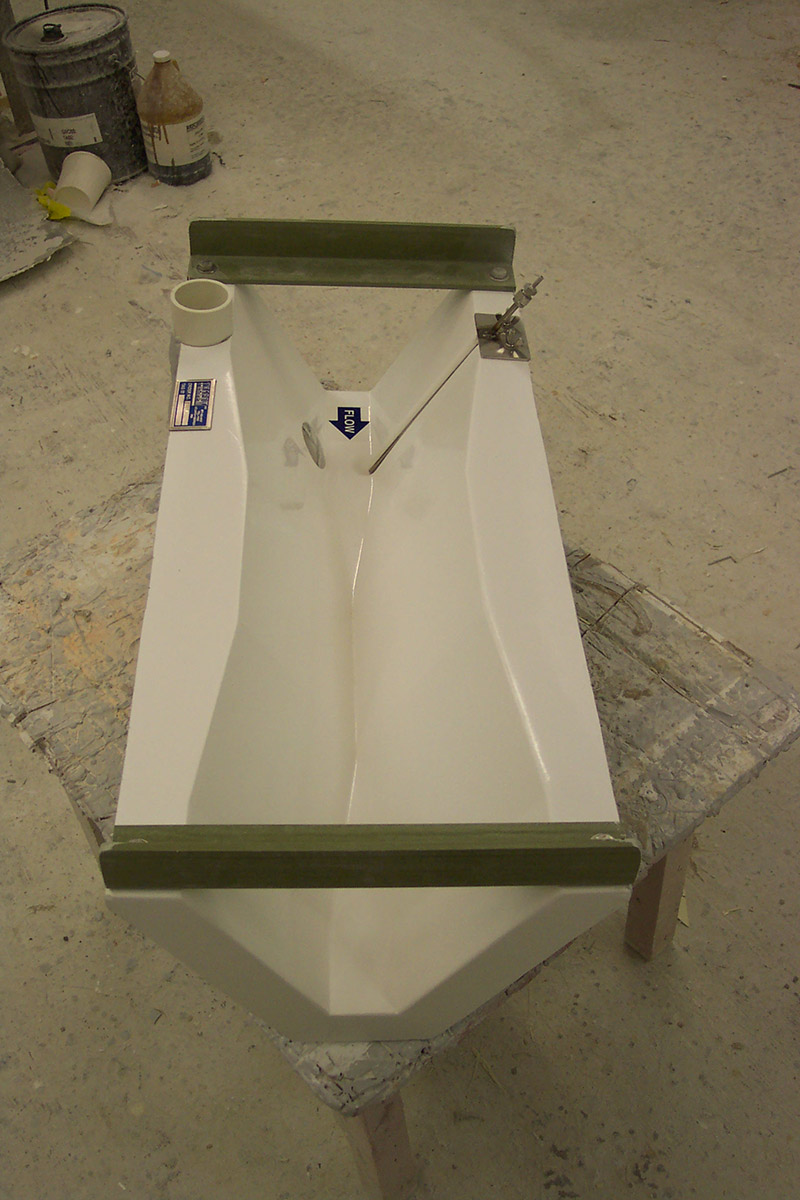
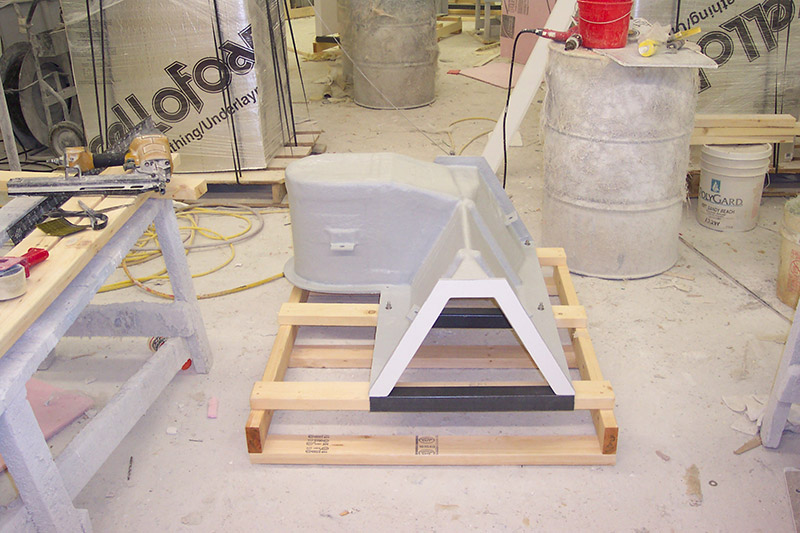
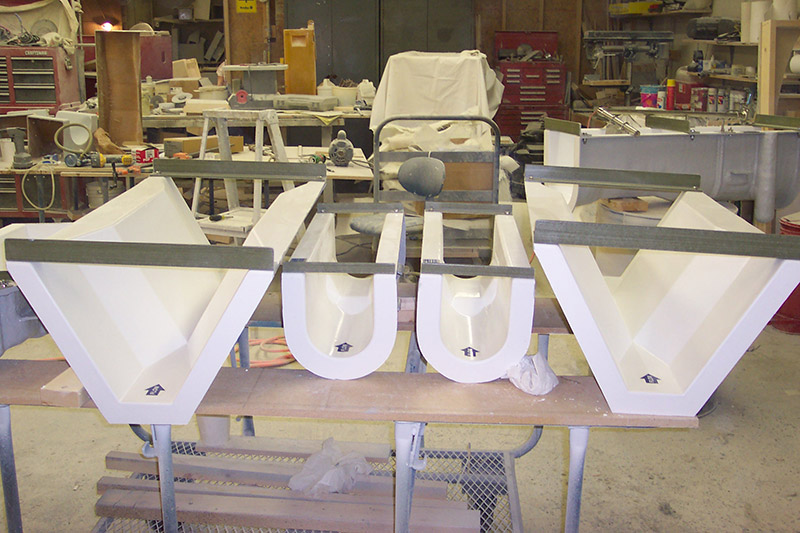
Trapezoidal flumes are typically available in 10 different sizes based on throat width and geometry. They are an excellent choice where flows vary, the channel is flat, or there are high levels of debris load in the flow stream.
The most common trapezoidal flumes include the following sizes and styles for the recommended flow rates:
- Small 60 Degree V for 1 - 43 GPM
- Large 60 Degree V for 1 - 156 GPM
- Extra Large 60 Degree V for 1 - 663 GPM
- 8” 60 Degree V for 101 - 7955 GPM
- 12” X 45 - Degree for 74 - 2681 GPM
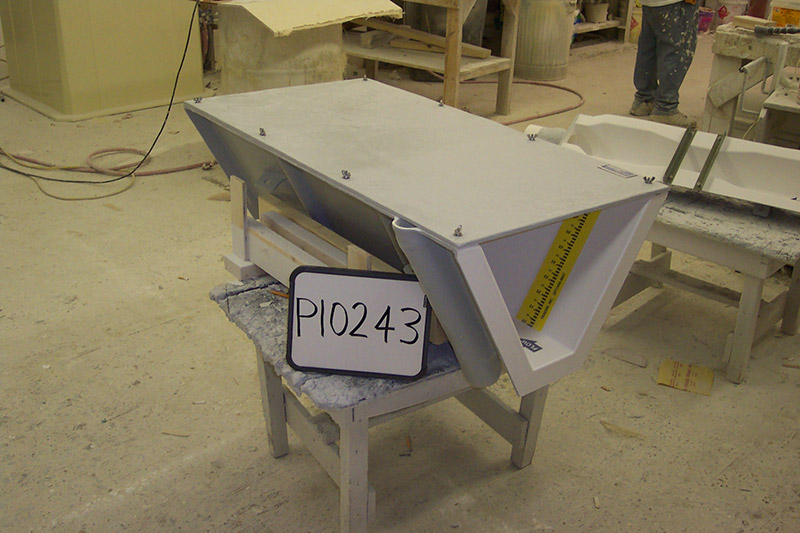
Because every wastewater management project is different, TRACOM provides trapezoidal flume options and accessories to make your project most effective. Our trapezoidal flumes can come with the following items:
- Ultrasonic mounting brackets
- Bubble tubes
- Sample tubes
- Submerged probe cavities
- Stilling wells (detached)
- Staff gauges
- Removable probe holders
- Inlet and outlet end adapters
- Pipe stubs
- Flanged end connections
- Fiberglass grating
- Riser boxes
- Multi-piece construction
- Chemically resistant gel coat
Trapezoidal Flume Advantages
- A Straight Through Bottom for silt and debris passage
- Operates Under High Submergence Levels as compared to Parshall flumes
- Trapezoidal Cross-Section conforms to natural channels and conveys large flows while providing accuracy for low flows
Trapezoidal Flume Applications
Trapezoidal flumes are a great option for projects with low flows, such as various sanitary and industrial sewer applications. These types of flumes are typically seen in:
- Dam Seepage
- Irrigation Canals
- Watershed Monitoring
- Ditch and furrow Flows
- Monitoring Industrial Discharge

Trapezoidal flumes can be used in other applications as well. To discuss your specific project and how a trapezoidal flume can help you meet your needs, contact TRACOM today. Our wastewater management and flume specialists have over 30 years of experience in the industry and can answer all of your questions.
Trapezoidal Flume Technical Details
- Ultrasonic mounting brackets
- Bubble tubes
- Sample tubes
- Submerged probe cavities
- Stilling wells (detached)
- Staff gauges
- Removable probe holders
- Inlet and outlet end adapters
- Pipe stubs
- Flanged end connections
- Fiberglass grating
- Riser boxes
- Multi-piece construction
- Chemically resistant gel coat
| Size & Style | Recommended Flow Rates |
|---|---|
| Small 60° V | 1 – 43 GPM |
| Large 60° V | 1 – 156 GPM |
| Extra Large 60° V | 1 – 663 GPM |
| 8” X 60° | 101 – 7955 GPM |
| 12″ X 45° | 74 – 2681 GPM |